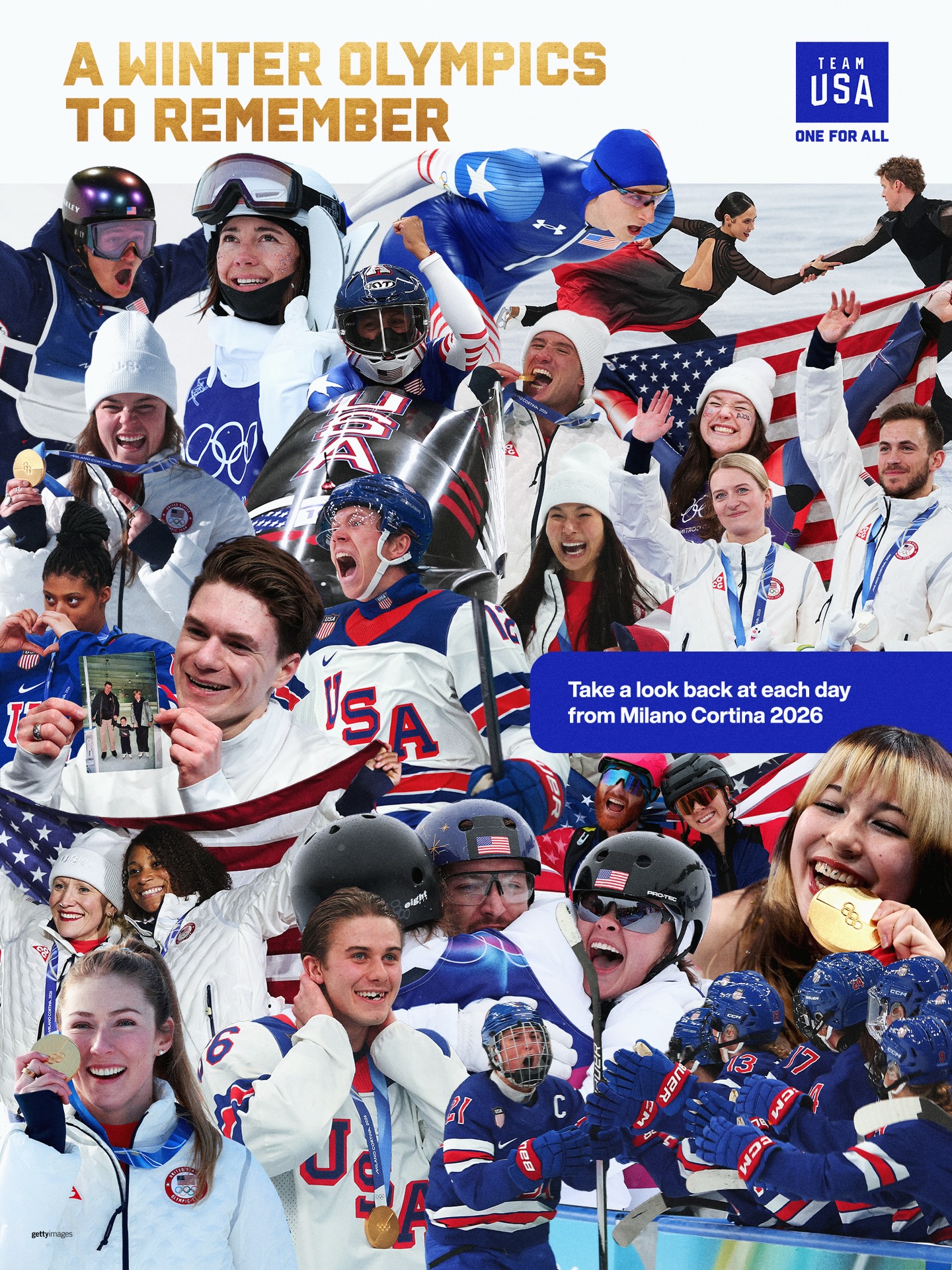
There is a special kind of silence—hushed anticipation, if you will—which occurs in the
final minutes of a hockey match, especially if it is the championship match itself. It’s not so much the absence of noise, but rather a breathless tension that falls on everyone. The crowd is still roaring, and the sharp scrap of the skates are still carving dents into the ice, but that gnawing suspense is deafening. It clutches on to everyone’s hearts—spectators and players alike—and refuses to let go.
On February 19, 2026, in the heart of Milan, that silence felt like it was pressing against the chests of every single American watching from home, more so all American women, as we trailed 1-0. Time had become a thief, stealing precious seconds from a long-awaited dream four years in the making. Yet, as a member of the U.S. Women’s Hockey National Team, you understand that being behind is far different from being out.
The comeback began when Hilary Knight redirected the puck with just two minutes left
on the clock. Knight, the legendary team captain who has carried the weight of the program on her shoulders for nearly two decades, aimed true, and the only sound that could be heard as that puck soared through the air was the holding of everyone’s breath. Then–
The buzzer went off. The wailing sirens echoed off the walls, crying out in relief, blaring
red, signaling the puck had penetrated the goal. The game-tying shot was nothing but net.
But it was not only that, for Hilary Knight didn’t only tie the game; she rewrote the record books, officially making her the greatest U.S. women’s hockey Olympic scorer, surpassing the former holder of the title, Jenny Potter.
However, the beauty of this particular team is not only found in its icons, but it’s also
found in the spirit of each and every player on the team. It’s found in Aerin Frankel, the
goalkeeper of the team, who stood strong like a wall, achieving a staggering 0.980 save
percentage throughout the Olympic tournament. It’s found in the younger generation, like
Caroline Harvey, who trained hard and defined her skills as a defender, which earned her the
title of the Most Valuable Player of the women’s ice hockey tournament, not to mention being
named the Best Defender and being selected for the Media All-Star Team.
Then came the moment that will live on every young girl’s vision board for the next
decade. At 4:07 into overtime, Megan Keller, the left defender of the team, seized her
opportunity. With a quick deke and a flick of the wrist, the puck found the back of the net, and
that dream that every single player—every single American woman—wished for became a
reality. The U.S. women’s hockey team won gold in the Olympics.
As the team piled onto the ice in a sea of red, white, and blue, they weren’t just
celebrating a victory over their rivals. They were honoring the 1998 team that first showed us
what was possible. They were validating the dreams of the nearly 100,000 girls currently playing youth hockey in the States. But most importantly, they were proving that no matter the odds, the American spirit on ice is unbreakable.
The siren in Milan didn’t just signal the end of a game; it signaled the continuation of a
dynasty. As the flag rose and the anthem played, we didn’t just see athletes on the stage—we
saw ourselves. We celebrate because this win is a reminder that excellence isn’t just luck—it’s a choice. It’s the choice to get back up after a loss, the choice to fight for equal ground, and the choice to play with a heart so big it can ignite a nation.
Heart of Milan: The Unbreakable Spirit on Ice